In this post, I have adopted a style that originally came to prominence during World War 2 from Mexican ladies in America. Taking inspiration from their male counterparts, ‘pachuco’, the style ‘Pachuca is a statement of rebellion against rationing, racism and fight for equal rights for Mexican women. Women used the style and movement to differentiate themselves from the conventional notion of feminine beauty and sexuality. Parallels can be drawn today by current #feminist and gender pronouns movements.

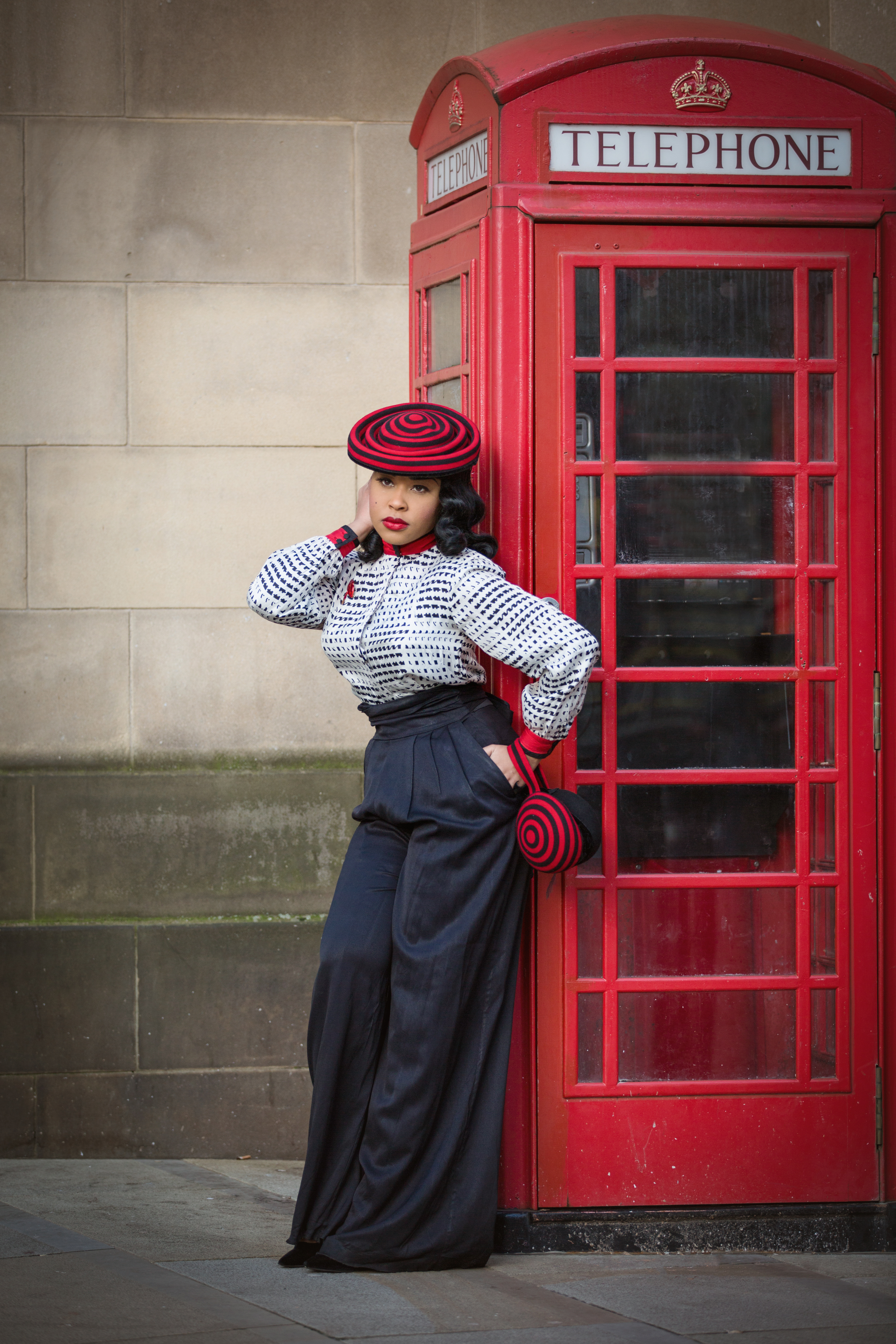
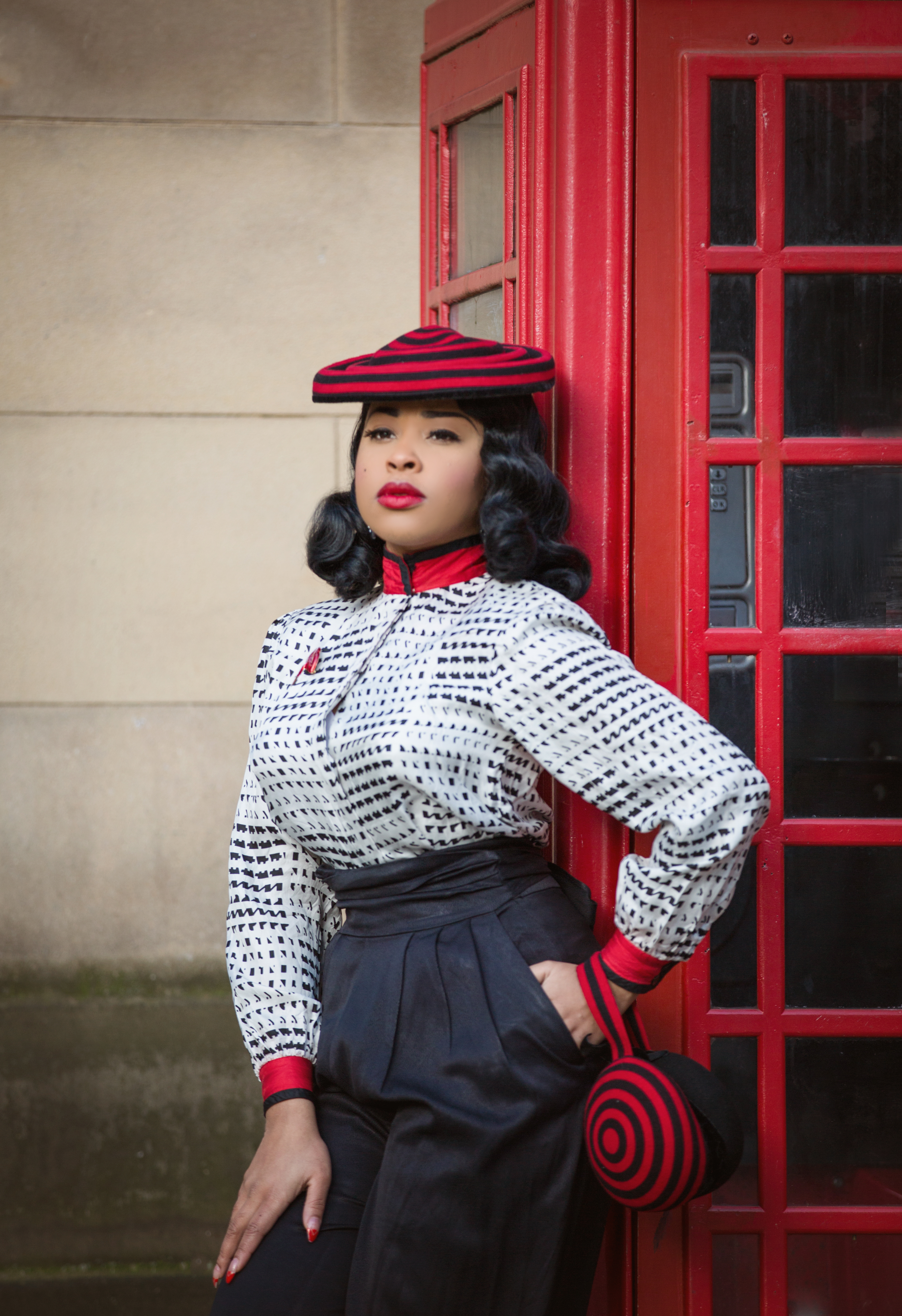
The look itself, an oversized jacket with pale green high waist Bermuda shorts, with a 1970s vintage large buttoned blouse and brown 40s style wedged heels. To accessorise I have matching vintage style earrings and brooch to compliment my shorts, paired with a vintage bag I picked up at my local vintage store and these Christian Dior sunglasses offset the look perfectly.

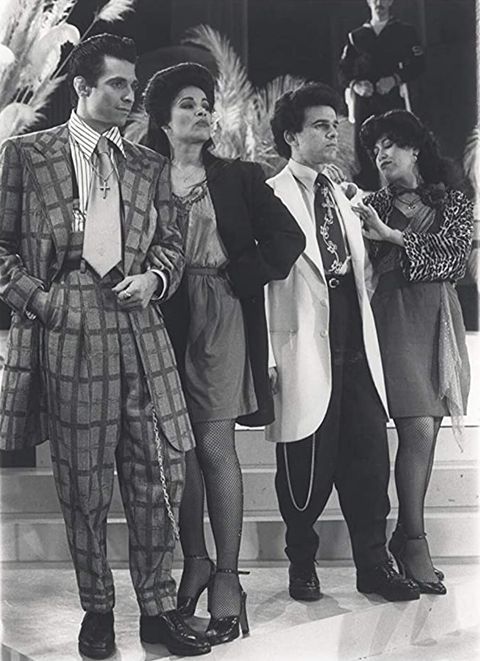
How does this compare to ‘Pachuca of the period?’ The oversized masculine jacket and 40s pompadour hairstyle echo the bold and flamboyant statement of rebellion fashion. For me, when I am styling an outfit it is about how it makes me feel. This look has really evoked a sense of power, inner and outer confidence. I can see why Latin American women of that period adopted this look to show the rest of society they were strong and confident.

You can see how my look compares to the original Pachuca period from the image below.

Elements of the Pachuca have certainly been used as inspiration and adopted as 2021 street style. Whether designers have taken influence from this style/period could be open to debate. The cultural and social comparisons I have mentioned may or may not have been considered. We all know that fashion is cyclical and nothing is really new. From a personal perspective, I have really enjoyed putting this look together and following up with its possible origins; it been extremely fascinating to learn about the history and meaning behind the Pachuca style/ Zoot suits, it makes me wonder what historians will say about 2021 fashion a few years from now.

What do you think of this trend will you be raiding your beau’s closet for the oversize blazer look? Leave a comment below and let me know your thoughts, I would love to hear from you.